

Bath Fitter Alternatives for Homeowners: 2026 Guide
Table of Contents
Bath Fitter Alternatives for Homeowners: What Your Options Really Are Why Homeowners Look Beyond Bath Fitter
Why Homeowners Look Beyond Bath Fitter
Tub Reglazing vs. Bath Fitter: Cost, Durability, and Longevity How Reglazing Works and What to Expect Pros and Cons of Acrylic Bath Liners vs. Reglazing
How Reglazing Works and What to Expect
Pros and Cons of Acrylic Bath Liners vs. Reglazing
Re-Bath vs. Bath Fitter: Full Remodels vs. Surface-Level Upgrades When a Full Bathroom Remodel Makes Sense Resale Value and Long-Term Investment
When a Full Bathroom Remodel Makes Sense
Resale Value and Long-Term Investment
Cost of Tub to Shower Conversion: Accessibility Without Full Demolition Walk-In Tub and Shower Conversion Options Timeline and Bathroom Downtime
Walk-In Tub and Shower Conversion Options
Timeline and Bathroom Downtime
Bathroom Renovation Without Demolition: Quick Installation Alternatives Acrylic Liners, Microcement, and Waterproof Panels Environmental Impact: Acrylic vs. Porcelain and Cast Iron
Acrylic Liners, Microcement, and Waterproof Panels
Environmental Impact: Acrylic vs. Porcelain and Cast Iron
Hidden Risks: Structural Damage and Long-Term Waterproofing When Covering Mold and Water Damage Backfires Professional Waterproofing vs. DIY Solutions
When Covering Mold and Water Damage Backfires
Professional Waterproofing vs. DIY Solutions
DIY vs. Professional Installation: When to Call a Contractor Vetting Contractors and Avoiding Common Mistakes
Vetting Contractors and Avoiding Common Mistakes
Conclusion: Choosing the Right Bath Fitter Alternative for Your Home
Bath Fitter Alternatives for Homeowners: 2026 Guide
Last Updated: July 28, 2026
Bath Fitter Alternatives for Homeowners: What Your Options Really Are
When homeowners search for a bath fitter alternative, they're facing outdated, damaged, or inaccessible tubs or showers and need a solution without full bathroom demolition. At TRC Home Improvement, we've spent over 30 years helping homeowners navigate this choice. What once meant choosing between expensive full remodels and low-quality surface fixes now includes several legitimate middle-ground options that deliver durability without demolition.
The real tension is understanding which alternative solves your specific problem without creating new ones. Acrylic liners promise quick installation but can fail within years if waterproofing isn't done correctly. Reglazing costs less upfront but may not address underlying structural damage. Full remodels transform your space but consume significant time and budget.
This guide breaks down the five most viable bath fitter alternatives, what each delivers, where each falls short, and how to know which matches your situation.
Why Homeowners Look Beyond Bath Fitter
Most homeowners discover Bath Fitter through advertising, then hit a wall: pricing, timeline, or warranty doesn't align with their needs. Some find the sales process too high-pressure. Others realize that Bath Fitter's acrylic liners won't solve accessibility issues or address water damage hiding behind walls.
Homeowners now understand that surface-level fixes come with real limitations. A liner installed over a damaged subfloor hides the damage but doesn't repair it. A reglazing job that looks beautiful initially may chip or peel within 18 months if prep work was rushed. A quick tub-to-shower conversion might improve accessibility but leak into the wall cavity if waterproofing wasn't professional-grade.
Tub Reglazing vs. Bath Fitter: Cost, Durability, and Longevity
Tub reglazing applies a new protective coating directly over your existing tub or tile. It's faster and less expensive than replacement, but the durability gap between professional reglazing and acrylic liners is significant.
Professional reglazing services like Miracle Method Surface Refinishing apply a multi-layer coating that restores appearance and creates a non-porous surface. The process typically takes 24-48 hours, with the bathroom ready for light use within 48-72 hours.
DIY reglazing kits like the Ekopel 2K Bathtub Refinishing Kit cost roughly $200 and can rival professional work if you follow instructions meticulously. However, most DIY attempts fail because prep work, sanding, cleaning, masking, is tedious and easy to skip.
Reglazing Method | Timeline | Durability | Cost Range | Best For |
Professional service | 2-3 days | 7-10 years | Contact for quote | Homeowners seeking guaranteed results |
DIY kit application | 1-2 days | 3-5 years | $89-$200 | Experienced DIYers with patience for prep |
Acrylic liner (Bath Fitter style) | 1 day | 10-15 years | Contact for quote | Quick fixes with longer warranty |
Reglazing is cheaper and faster, but acrylic liners typically outlast it if both are installed professionally. Reglazing wins if your tub is structurally sound and you just need cosmetic refresh.
How Reglazing Works and What to Expect
Professional reglazing starts with thorough surface preparation. The technician sands the existing finish to create texture for adhesion, then cleans away all dust and residue. The coating is applied in layers using a two-part epoxy or polyurethane that hardens through chemical reaction. After application, the coating cures for 24-48 hours before light use.
Reglazing doesn't repair cracks, chips, or structural damage, it covers them. If your tub has a small crack, reglazing will seal it temporarily, but the crack will likely expand under the coating as the underlying material deteriorates.
Pros and Cons of Acrylic Bath Liners vs. Reglazing
Acrylic liners are custom-molded shells that fit over your existing tub or walls. They're non-porous, resist mold and mildew naturally, and come with extended warranties (often 10-15 years). Installation is fast, often completed in a single day.
The cons are equally real: acrylic liners don't address what's underneath. If your subfloor is rotted or your walls have mold, the liner covers the problem but doesn't solve it. Within 3-5 years, water often finds its way behind the liner, and damage is worse than if addressed upfront. Liners can't be easily repaired, a crack typically means full replacement.
For most homeowners: if your tub is structurally sound and you want cosmetic improvement, reglazing wins on cost and timeline. If your tub shows structural issues, accessibility matters, or you want a 10+ year solution, an acrylic liner is the safer long-term bet.
Re-Bath vs. Bath Fitter: Full Remodels vs. Surface-Level Upgrades
Re-Bath operates in a different category than Bath Fitter. While Bath Fitter specializes in quick acrylic liners and surrounds, Re-Bath offers comprehensive bathroom remodeling: layout changes, new flooring, vanities, lighting, and full structural work.
Re-Bath's comprehensive bathroom remodeling services include accessibility upgrades like walk-in tubs and address structural concerns, waterproofing at the subfloor level, and custom layouts. Re-Bath can solve problems that Bath Fitter simply can't, like a shower that leaks into the wall cavity because framing is compromised.
The trade-off is obvious: cost and timeline. A full Re-Bath remodel costs significantly more and takes longer. However, a full remodel increases home equity and resale value in ways surface upgrades don't.
When a Full Bathroom Remodel Makes Sense
A full bathroom remodel is worth the investment when your bathroom has structural damage (soft subfloors, water damage in framing, mold in walls), you need accessibility upgrades a liner can't provide, or you're planning to stay in the home 5-7+ more years.
Structural damage is the critical factor. If your bathroom has been leaking for years, damage is likely extensive and invisible. A liner covers the symptom but doesn't address the root cause. A proper remodel includes waterproofing at the subfloor and wall level using products like Kerdi membranes that create a complete moisture barrier.
Resale Value and Long-Term Investment
A bathroom remodel returns roughly 50-70% of its cost at resale. A surface upgrade like a Bath Fitter liner installation returns much less because buyers see it as a temporary fix.
For long-term homeowners (10+ years), a full remodel is almost always the better financial decision. For short-term homeowners (3-5 years), a surface upgrade is often smarter because you improve the bathroom without overinvesting in a space you won't occupy long.
Cost of Tub to Shower Conversion: Accessibility Without Full Demolition
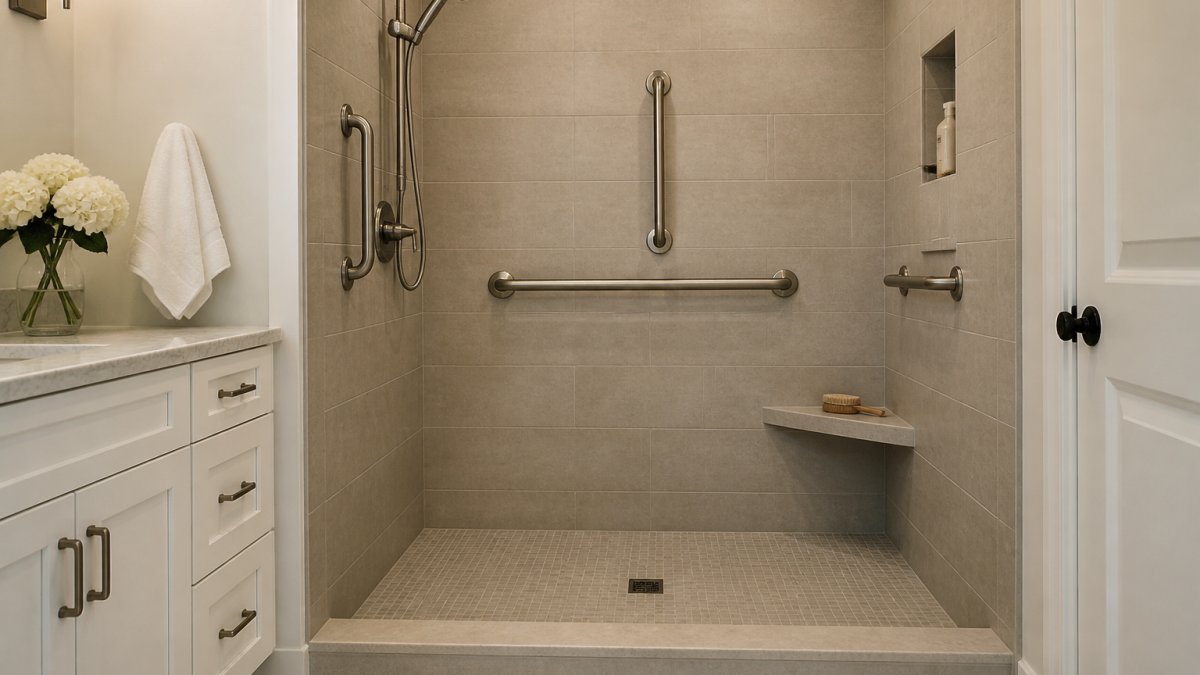
Tub-to-shower conversions represent a middle path between surface upgrades and full remodels. The goal is simple: remove the bathtub and install a walk-in shower, often with accessibility features like grab bars, non-slip flooring, and low-entry thresholds.
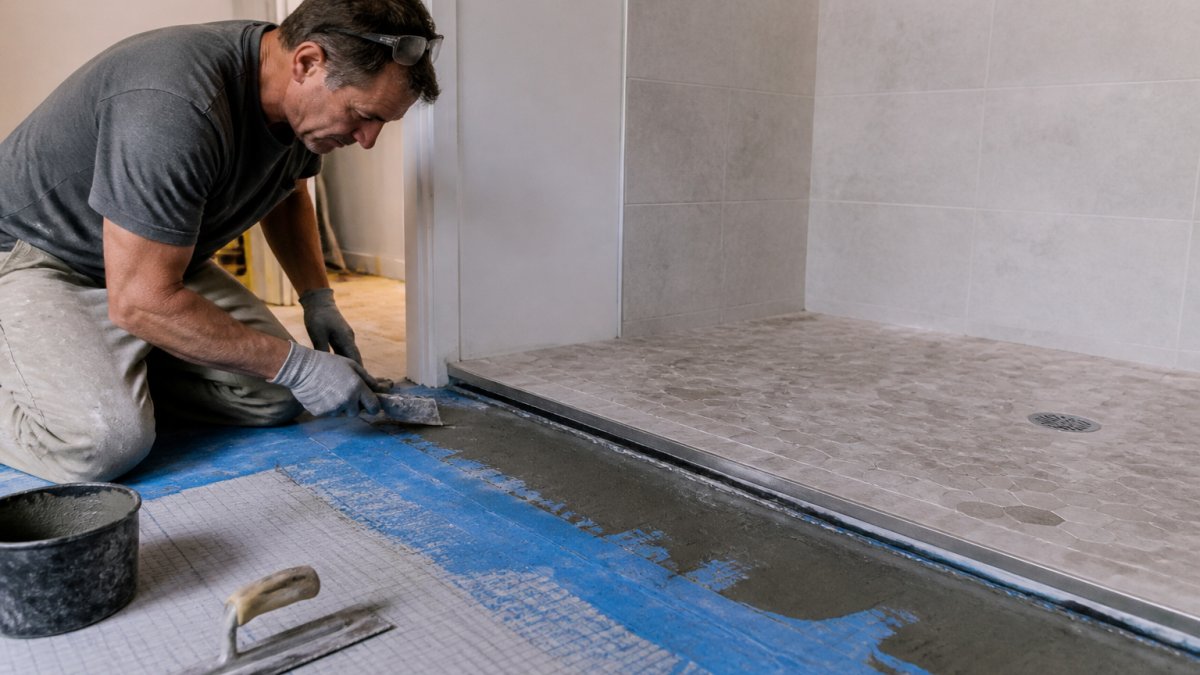
Quick-install conversion kits, like those from Quick Tub's tub-to-shower conversion system, lower the entry side of the existing tub and add a walk-through insert. Installation takes a few hours, and the bathroom is usable the same day. A proper tub-to-shower conversion involves removing the tub, addressing underlying water damage, installing a waterproof membrane like Kerdi, and building a custom shower surround. This takes 3-5 days and costs significantly more, but it solves the problem correctly.
Walk-In Tub and Shower Conversion Options
Walk-in tubs feature a door that opens and closes, allowing users to step in without lifting their leg high. They're excellent for elderly or disabled homeowners but are more expensive and require professional installation because plumbing and sealing must be precise.
Walk-in showers (zero-entry or low-entry designs) are often a better choice for younger homeowners or those with temporary mobility issues. A zero-entry shower has no curb or threshold, so entry is level with the bathroom floor. This requires proper slope and drainage to prevent water from flowing into the rest of the bathroom.
Accessibility features, grab bars, non-slip surfaces, adequate lighting, proper ventilation, are often overlooked in quick installations. A grab bar installed into drywall instead of structural framing will fail under load.
Timeline and Bathroom Downtime
A quick-install conversion takes 2-4 hours, and the bathroom is usable the same day. A proper conversion takes 3-5 days, with the bathroom typically unusable for 3-4 of those days.
For homeowners who can't afford bathroom downtime, the quick-install approach is tempting. However, the risk is real: a poorly waterproofed shower will leak, and damage will compound. By the time you notice the problem (usually 12-24 months later), repair costs are 3-5 times the cost of doing it right initially.
Bathroom Renovation Without Demolition: Quick Installation Alternatives
Several products now allow bathroom updates without full demolition. Microcement systems, like SEMCO's Remodel Without Removal microcement, apply a thin layer of cement-based coating directly over existing tile. The result is a seamless, grout-free surface that's waterproof and highly customizable. Installation takes 3-5 days, and the bathroom is usable within 24-48 hours.
Waterproof wall panels, like those from Multipanel, install directly over existing surfaces. They're grout-free, mold-resistant, and available in numerous designs. Luxury vinyl plank (LVP) has emerged as a budget-friendly wall option but lacks the durability of tile or acrylic and isn't ideal for high-moisture areas.
Acrylic Liners, Microcement, and Waterproof Panels
The choice between these three comes down to aesthetics, budget, and long-term durability. Acrylic liners are fastest and most durable but offer limited design flexibility. Microcement is highly customizable and modern but requires professional application. Waterproof panels are a middle ground, faster than microcement with more aesthetic choices than acrylic.
For accessibility needs, acrylic liners win because they can be shaped with integrated grab bars and non-slip surfaces. For aesthetic customization, microcement wins. For budget-conscious homeowners wanting a quick upgrade, waterproof panels are a solid middle option.
All three options assume your existing substrate is sound. If there's water damage, mold, or structural issues, none of these are solutions, they're just covers.
Environmental Impact: Acrylic vs. Porcelain and Cast Iron
Acrylic is petroleum-based plastic with a substantial environmental footprint. When an acrylic liner reaches the end of its life (10-15 years), it typically ends up in a landfill.
Reglazing and microcement are more environmentally friendly because they extend the life of existing fixtures rather than replacing them. For homeowners prioritizing sustainability, reglazing or microcement applied to existing fixtures is best. For those prioritizing durability and longevity, acrylic liners are the better environmental choice in the long run because they last longer, reducing replacement frequency.
Hidden Risks: Structural Damage and Long-Term Waterproofing
Water always finds a way. If there's a small leak in your shower, water migrates into the wall cavity, subfloor, and framing. Over time, this creates mold, rot, and structural damage. A surface-level fix stops water from coming through the tub or shower surround, but doesn't address water already in the walls or subfloor.
When Covering Mold and Water Damage Backfires
If your bathroom has visible mold or soft spots in the floor, installing a liner or reglazing is a temporary band-aid that creates bigger problems. Mold thrives in moisture, and covering it with an acrylic liner traps moisture against the mold, allowing it to spread. Within 12-24 months, the mold has expanded significantly, and structural damage is worse.
The same applies to soft subfloors. If you can press your finger into the floor and it feels spongy, the wood is rotted. An acrylic liner doesn't address this. The floor will continue to deteriorate, eventually creating a safety hazard.
Professional contractors know to inspect for these issues before recommending a product. If they don't mention mold or structural damage, they're either not looking carefully or avoiding an uncomfortable conversation.
Professional Waterproofing vs. DIY Solutions
Professional waterproofing uses products like Kerdi membranes, which create a complete moisture barrier behind tile or surrounds. Every seam is sealed with specialized tape. This prevents water from reaching the subfloor or framing.
DIY waterproofing often relies on caulk or grout sealers, which slow water infiltration but don't stop it completely. Caulk fails over time as it shrinks and cracks.
For a shower lasting 10+ years without leaking, professional waterproofing is non-negotiable.
DIY vs. Professional Installation: When to Call a Contractor
Some bathroom projects are genuinely DIY-friendly. Reglazing with a quality kit, installing waterproof panels, or applying microcement are possible for experienced DIYers. However, the failure rate is high because these projects require precision and attention to detail that many homeowners underestimate.
If the project involves plumbing, structural changes, or waterproofing, hire a professional. Acrylic liner installation is deceptively complex. The template must be perfect, seams must be sealed precisely, and plumbing connections must be leak-proof. A small mistake leads to leaks.
Vetting Contractors and Avoiding Common Mistakes
Before hiring a contractor, ask these questions:
What's your process for inspecting the existing structure? A good contractor will look for mold, water damage, and structural issues before recommending a product.
What warranty do you offer, and what does it cover? Ask specifically about water leaks and structural issues.
Can you provide references from customers who had similar work done 3+ years ago? Call them and ask if the work is still holding up.
What waterproofing method do you use? If they say "caulk and grout sealer," that's not adequate for long-term installation. Professional waterproofing uses membranes like Kerdi.
What happens if something goes wrong? A confident contractor will stand behind their work.
The most common mistake homeowners make is choosing a contractor based on price alone. The cheapest quote usually reflects corners being cut. A mid-range quote from a contractor with solid references is almost always the better choice.
Contractor Red Flag | What It Means | Risk Level |
No inspection before quoting | They're not assessing your actual situation | High |
Vague warranty language | Coverage is limited or conditional | High |
No references available | They may have quality or customer service issues | High |
Pushes the cheapest option without discussing alternatives | They're prioritizing speed over quality | Medium |
Doesn't mention waterproofing | They're planning a surface fix, not a real solution | High |
Guarantees work won't fail | Unrealistic promise; all work eventually needs maintenance | Medium |

Conclusion: Choosing the Right Bath Fitter Alternative for Your Home
The right bath fitter alternative depends on your specific situation, not on which option is cheapest or fastest. If your bathroom is structurally sound and you want a quick cosmetic upgrade, an acrylic liner or reglazing makes sense. If your bathroom has water damage or accessibility needs, a full remodel or professional tub-to-shower conversion is the only choice that prevents future problems.
The biggest risk in choosing a bath fitter alternative is underestimating the importance of waterproofing and structural integrity. A surface-level fix that doesn't address these issues will fail within 2-3 years, and damage will be worse than if you'd done it right the first time.
When you're ready to transform your bathroom with a solution that actually lasts, TRC Home Improvement offers free design consultations and no-pressure estimates. With over 30 years of experience, we specialize in custom tiled walk-in showers and seamless tub-to-shower conversions using advanced waterproofing techniques that ensure durability and enhanced aesthetics. Our fully licensed team in NC and SC provides a simplified, stress-free renovation process tailored to your vision and budget. Contact TRC Home Improvement today to discuss your bathroom renovation needs and get started on a solution built to last.
Frequently Asked Questions
What is a cheaper alternative to Bath Fitter?
Tub reglazing and acrylic bath liners are typically more affordable bath fitter alternatives. Reglazing costs less than liners and can refresh your existing tub in 1-2 days. Acrylic liners offer seamless, grout-free surfaces and quick installation. For the most budget-conscious approach, DIY reglazing kits exist, though professional application ensures better durability and longevity. Each option depends on your tub's condition and your timeline.
How does tub reglazing vs. bath fitter compare in terms of durability?
Bath Fitter acrylic liners typically last 10-15 years with proper maintenance, while professional reglazing lasts 5-10 years depending on application quality and household use. Reglazing creates a hard coating over your existing tub but can chip or peel if the underlying surface isn't properly prepared. Bath fitter alternatives like acrylic liners are non-porous and resist mold better, but both require careful cleaning to maintain their finish and prevent degradation over time.
What are the disadvantages of covering mold with a bath fitter alternative?
Covering mold or water damage with acrylic liners, reglazing, or other surface-level upgrades can trap moisture and allow structural damage to worsen beneath the surface. If subfloor rot or mold remediation is needed, covering it without proper waterproofing and repair will lead to costly problems later. A professional inspection before installation is essential. This is why many contractors recommend addressing underlying damage first, it protects your home's structural integrity and prevents expensive repairs down the road.
Does Re-Bath cost more than Bath Fitter for a full bathroom remodel?
Re-Bath typically costs more because it offers full bathroom remodeling, not just tub and shower updates. Re-Bath specializes in comprehensive transformations including layout changes, flooring, vanities, and custom DuraBath acrylic products with lifetime warranties. Bath Fitter focuses on quick surface-level upgrades. For a tub-to-shower conversion alone, Re-Bath and Bath Fitter may be comparable, but Re-Bath's full remodel scope justifies higher investment if you want extensive customization and increased home equity.
How long does a tub-to-shower conversion actually take, and will my bathroom be unusable?
Professional tub-to-shower conversions typically take 3-7 days depending on complexity and whether waterproofing upgrades like Kerdi membranes are included. Quick-install acrylic systems may be completed in 1-2 days. During installation, your bathroom will be unavailable. However, many contractors can schedule work to minimize disruption. Walk-in tub conversions and seamless shower installations require proper waterproofing, which takes longer than simple liner replacements but ensures long-term durability and prevents future water damage.
This article was written using GrandRanker

Comments