

Bathroom Remodel Resale Value: 7 Tips That Boost ROI
Table of Contents
Why Bathroom Remodels Matter for Home Resale Value
Average Bathroom Remodel ROI: What Homeowners Actually Recoup
Tub-to-Shower Conversions and Their Impact on Resale Value
7 Bathroom Remodel Upgrades That Maximize Home Equity 1. Invest in Quality Fixtures and Hardware 2. Choose Neutral Color Palettes and Timeless Design 3. Upgrade Lighting and Ventilation 4. Install Water-Efficient and Energy-Saving Features 5. Add Universal Design and Accessibility Elements 6. Use Durable, High-Quality Materials 7. Ensure Professional Waterproofing and Installation
1. Invest in Quality Fixtures and Hardware
2. Choose Neutral Color Palettes and Timeless Design
3. Upgrade Lighting and Ventilation
4. Install Water-Efficient and Energy-Saving Features
5. Add Universal Design and Accessibility Elements
6. Use Durable, High-Quality Materials
7. Ensure Professional Waterproofing and Installation
How to Find Reliable Bathroom Contractors for Quality Results
Midrange vs. Upscale Bathroom Remodels: Which Delivers Better ROI
Maintenance vs. Remodel: When Upgrading Makes Financial Sense
Conclusion
Last Updated: August 18, 2026
Why Bathroom Remodels Matter for Home Resale Value
A bathroom remodel separates homes that sell quickly from those that languish on the market. When potential buyers walk through a property, the bathroom signals how well the owner maintained the home. Outdated fixtures, worn tile, and poor lighting suggest deferred maintenance, while a modern, well-designed bathroom signals care and attention.
TRC Home Improvement has spent over 30 years helping homeowners understand this reality. The bathroom is one of only two rooms (the kitchen being the other) where buyers scrutinize every detail. A leaking shower, cracked tile, or builder-grade fixtures can tank an appraisal. Conversely, quality upgrades in the right areas move the needle on what your home is worth.
A bathroom renovation isn't just about comfort or aesthetics, it's about positioning your property competitively. Homeowners who approach a remodel strategically, focusing on upgrades that buyers actually value, see tangible returns at resale. This guide covers which upgrades deliver genuine market appeal, how to evaluate contractor quality, and when a remodel makes financial sense.
Average Bathroom Remodel ROI: What Homeowners Actually Recoup
A full bathroom renovation typically recovers a portion of its cost at resale, not all of it. The exact percentage depends on scope, materials, and local market conditions. A modest refresh (new fixtures, updated tile, fresh paint) recovers a higher percentage than a complete gut renovation with premium materials, because buyers value function and aesthetics but remain price-sensitive.
The key insight: focus on perceived value, not absolute cost. Buyers see the tile, fixtures, lighting, and layout, not invisible structural work. Allocating your budget toward visible upgrades yields better resale returns than hidden improvements.
Location matters enormously. In competitive markets where homes sell faster and command higher prices, bathroom upgrades show stronger returns. In slower markets, even quality work recovers less of its cost. This doesn't mean the remodel isn't worth doing; it means your timeline and local market conditions should inform your decision.
Tub-to-Shower Conversions and Their Impact on Resale Value
A tub-to-shower conversion represents one of the most practical remodeling decisions, and its resale impact depends on your buyer demographic. Younger families prefer tubs for bathing children. Empty nesters and aging homeowners increasingly prefer showers for accessibility and safety.
The quality of the conversion determines its impact. A poorly executed conversion with visible water damage, leaks, or cheap materials damages home value. A professional conversion using proper waterproofing, quality tile, and thoughtful design enhances it.
Custom tiled walk-in showers appeal to a broad buyer base. They signal the home has been updated and maintained, are easier to clean and safer than older tubs, and make bathrooms feel larger. These tangible benefits resonate with buyers.
TRC Home Improvement specializes in tub-to-shower conversions using advanced waterproofing techniques because this work is high-stakes. A leaking shower becomes an expensive problem within months. Professional installation with proper substrate preparation, waterproofing membranes, and quality grout prevents this.
Consider your market: if families are the primary buyer demographic, a complete absence of tubs can limit your buyer pool. The sweet spot for most homes is a primary bathroom with a shower and a secondary bathroom with either a tub or tub-shower combo.
7 Bathroom Remodel Upgrades That Maximize Home Equity
1. Invest in Quality Fixtures and Hardware
Fixtures are the first thing buyers notice. Builder-grade faucets, cheap cabinet hardware, and low-end lighting look dated regardless of cleanliness. Quality fixtures signal proper maintenance.
Mid-range fixtures from established manufacturers offer durability, design appeal, and professional appearance without premium pricing. A quality faucet with solid finish and modern lines makes an immediate impression. Cabinet hardware that feels substantial reinforces that impression.
Lighting deserves special attention. Poor lighting makes a bathroom feel cramped and dated. Layered lighting (overhead fixtures, vanity lighting, accent lighting) transforms the space. Upgrading from a single builder-grade ceiling fixture to proper vanity lighting flanking the mirror and adding quality overhead lighting is one of the highest-impact upgrades.
Faucet finishes matter more than most realize. Chrome and brushed nickel are timeless and appeal broadly. Trendy finishes date quickly. Choose finishes that appeal to the widest buyer base.

2. Choose Neutral Color Palettes and Timeless Design
Bold tile colors, trendy paint shades, and statement designs appeal to the person living there, not necessarily to the buyer evaluating it. Neutral color palettes (whites, grays, soft beiges, pale blues) appeal to the broadest audience.
This doesn't mean boring. Depth and texture come from material choices: natural stone tile, quality ceramic, varied grout colors. A bathroom in soft whites and grays with varied tile textures feels sophisticated without being trendy.
Avoid heavily patterned tile, bright accent colors, or designs that scream "2024." These date quickly and limit your buyer pool. A buyer immediately thinks about ripping it out and redoing it, which reduces perceived value.
The same principle applies to layout. Avoid overly custom or unusual designs. A straightforward, functional bathroom appeals to more buyers than a quirky one. Choose finishes and colors that will feel fresh to a buyer five years from now when you sell.
3. Upgrade Lighting and Ventilation
Lighting transforms a bathroom more dramatically than most expect. A single ceiling fixture feels dim and dated. Proper lighting includes multiple layers: ambient overhead lighting, task lighting at the vanity, and accent lighting if space allows.
Vanity lighting is critical. Fixtures flanking the mirror provide shadow-free lighting and look significantly more polished than overhead fixtures. Modern vanity fixtures with clean lines upgrade the entire space.
Ventilation is equally important but often overlooked. A properly functioning exhaust fan prevents moisture damage, mold, and musty smells that signal poor maintenance. A bathroom that feels dry and fresh makes a strong impression. Upgrading to a quality exhaust fan with humidity sensor ensures proper moisture management.
4. Install Water-Efficient and Energy-Saving Features
Water-efficient fixtures appeal to cost-conscious buyers. A low-flow showerhead, water-efficient toilet, and aerating faucet reduce utility costs. Modern low-flow showerheads deliver excellent pressure while using significantly less water. Efficient toilets no longer require double-flushing.
Energy-efficient lighting (LED fixtures throughout) is another easy win. LEDs last longer, use less electricity, and provide better light quality. Consider also upgrading to an energy-efficient exhaust fan or adding insulation to exterior walls if your bathroom is on an outside wall.
5. Add Universal Design and Accessibility Elements
Universal design features that make a space accessible to people of all ages and abilities increasingly appeal to buyers. An aging population means more buyers think about aging in place. Accessibility features appeal to this demographic and anyone who values safety and functionality.
Grab bars near the toilet and in the shower are practical safety features that don't look institutional when chosen thoughtfully. A curbless or low-threshold shower is safer than a traditional tub and appeals broadly. Adequate lighting and non-slip flooring improve safety and functionality.
Modern grab bars come in finishes that complement your design. A walk-in shower with low threshold looks contemporary and feels safer. Accessible design is increasingly mainstream.
6. Use Durable, High-Quality Materials
Material quality directly impacts resale value and long-term durability. Cheap materials look cheap and fail quickly. Quality materials look professional and last.
Porcelain tile is more durable than ceramic and resists moisture better. Natural stone looks luxurious but requires proper sealing. Choose materials appropriate for the application that will hold up over time.
Grout quality is critical. Poor-quality grout stains, cracks, and allows water penetration. Quality grout (epoxy or urethane-based) resists staining and moisture better than standard cement grout. Substrate preparation is where many budget remodels fail. Quality remodels use proper waterproofing membranes, cement board, or modern alternatives under tile.
Vanity quality matters. A solid-wood vanity with quality hardware and durable finish looks substantially better than particleboard with cheap hardware. This focal point signals quality to buyers.
7. Ensure Professional Waterproofing and Installation
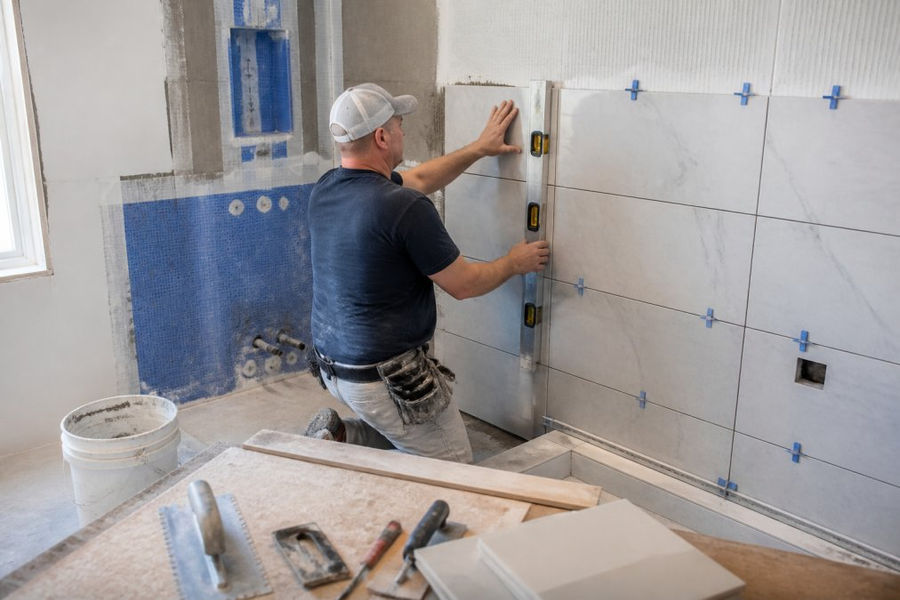
A bathroom that leaks is a deal-breaker. Professional waterproofing prevents this. Proper waterproofing involves multiple layers: substrate preparation, waterproofing membranes, proper slope for drainage, and quality grout and sealants.
Professional installation extends beyond waterproofing. Tile must be set properly, fixtures must be installed to code, plumbing must be done correctly. These details aren't visible in the finished product, but failures become obvious quickly.
TRC Home Improvement's 30 years of experience ensures advanced waterproofing techniques and professional installation. Quality workmanship is recognized by buyers and home inspectors, directly impacting property value.
How to Find Reliable Bathroom Contractors for Quality Results
Finding a contractor you can trust is the single most important decision in a bathroom remodel. Poor workmanship undermines every upgrade. Quality workmanship ensures your investment pays off.
Ask for recommendations from people you trust who've had work done. Personal referrals carry weight because they come from people who've seen the finished product.
Verify licensing and insurance. A licensed contractor has met minimum standards and is accountable to regulatory bodies. Insurance protects you if something goes wrong. TRC Home Improvement is fully licensed in both North Carolina (GC #106823) and South Carolina (#60594), meeting both states' standards.
Call references and ask about communication, timeliness, problem-handling, and whether the contractor stood behind their work. Get multiple estimates to understand scope and proposals. A significantly lower estimate should raise questions about corner-cutting.
Discuss the timeline and process. A professional contractor explains scope clearly, provides detailed estimates, and sets realistic expectations. Ask specifically about waterproofing methods and materials, a contractor who explains their approach in detail demonstrates expertise.
Discuss warranty and guarantees. A quality contractor stands behind their work. Communication matters enormously. You want a contractor who listens to your vision, explains recommendations clearly, and keeps you informed. TRC Home Improvement emphasizes no-pressure design consultations to understand your needs before committing.
Midrange vs. Upscale Bathroom Remodels: Which Delivers Better ROI
A midrange remodel focuses on updated fixtures, fresh tile, improved lighting, and clean finishes without premium materials. Costs are controlled by choosing established, mid-range product lines. The result is a modern, clean bathroom appealing to a broad buyer base. Midrange remodels typically recover a higher percentage of their cost at resale because they're perceived as good value.
An upscale remodel incorporates premium materials (natural stone, high-end fixtures, custom design) and luxury finishes. Costs are significantly higher. However, the resale return is often lower as a percentage of cost. Luxury finishes appeal to fewer buyers. Upscale remodels make sense if you plan to stay long-term and enjoy the space yourself, not if you're primarily motivated by resale value.
For most homeowners focused on resale value, a midrange remodel delivers better ROI. It upgrades the bathroom to current standards, appeals broadly, and recovers a respectable percentage of investment. The sweet spot is a well-executed midrange remodel using quality materials and professional installation.
Maintenance vs. Remodel: When Upgrading Makes Financial Sense
Not every bathroom issue requires a full remodel. Sometimes maintenance or targeted upgrades make more financial sense.
Maintenance addresses problems without changing the fundamental bathroom. Recaulking a shower, regrouting tile, fixing a leak, or replacing a worn faucet keeps the bathroom functional. Maintenance is cost-effective and necessary but won't improve resale value if the bathroom looks outdated.
A targeted upgrade addresses specific issues while keeping costs reasonable. Replacing fixtures and hardware, updating lighting, refreshing grout and caulk, and repainting can modernize a bathroom without full renovation. This works if the underlying structure is sound but the bathroom simply looks dated.
A full remodel is warranted if there's structural damage (water damage, mold, rotted substrate), if plumbing or electrical systems need updating, or if the layout is problematic. For resale value, the decision depends on how dated the bathroom is and what comparable homes have. If nearby homes have updated bathrooms and yours is significantly behind, a remodel is justified.
The key question: Will a buyer perceive the bathroom as well-maintained and current, or will they immediately think about replacing it? If it's the latter, a remodel is necessary for competitive resale value.
A bathroom remodel resale value strategy requires balancing personal preferences with buyer appeal. Quality fixtures, neutral finishes, professional installation, and attention to waterproofing deliver the best returns. Avoid trendy designs and premium luxury finishes unless staying long-term. Focus on upgrades that appeal broadly and signal good maintenance.
When ready to move forward, partner with a contractor who understands resale value and can guide you toward upgrades that matter. TRC Home Improvement brings 30 years of experience helping homeowners make smart remodeling choices. A free design consultation can clarify which upgrades make sense for your home and market. Contact TRC Home Improvement today to discuss your bathroom renovation and get started with a no-pressure estimate.
Frequently Asked Questions
What is the average bathroom remodel ROI?
Most homeowners recoup 50-80% of their bathroom renovation investment at resale, depending on the scope and quality of upgrades. Midrange remodels typically return 60-70%, while upscale renovations may return 50-60% due to higher initial costs. Full bathroom upgrades with quality fixtures, neutral aesthetics, and durable materials tend to perform better than cosmetic-only changes. Your actual return depends on local market conditions, the condition of the original bathroom, and whether upgrades align with buyer preferences in your area.
Does a tub-to-shower conversion increase home value?
Yes, tub-to-shower conversions can increase home value, particularly when installed with professional-grade waterproofing and quality materials. Walk-in showers appeal to aging homeowners and buyers seeking modern, accessible bathrooms. The value gain depends on the quality of installation, tile selection, and overall bathroom condition. A poorly executed conversion may hurt resale value, which is why professional installation with proven waterproofing techniques is essential. Neutral tile choices and accessibility features maximize appeal to the broadest buyer pool.
What bathroom upgrades add the most value to a home?
The highest-value upgrades are quality fixtures (faucets, vanities, hardware), professional waterproofing and tile installation, upgraded lighting and ventilation, and neutral, timeless design choices. Water-efficient toilets and fixtures also appeal to environmentally conscious buyers. Accessibility features like grab bars and walk-in showers attract aging homeowners. Material quality matters more than trendy design; solid tile work, durable vanities, and reliable plumbing upgrades signal longevity to buyers and appraisers. Avoid highly personalized design choices that may not appeal to future owners.
What should I look for when hiring a bathroom remodel contractor?
Verify licensing, insurance, and references specific to bathroom work. Ask for examples of past projects, especially waterproofing quality and tile installation. Ensure the contractor provides a detailed written estimate, timeline, and warranty on workmanship. Request a no-pressure design consultation to assess their communication style and understanding of your vision. Check for experience with accessibility modifications if needed. Licensed contractors in your state are required to follow building codes and provide recourse if work fails. Get multiple estimates and ask how they handle unexpected issues like water damage or structural problems discovered during demolition.
Contact Us
This article was written using GrandRanker


Comments